BASE POWER: INDEPENDENT CONCEPT STUDY
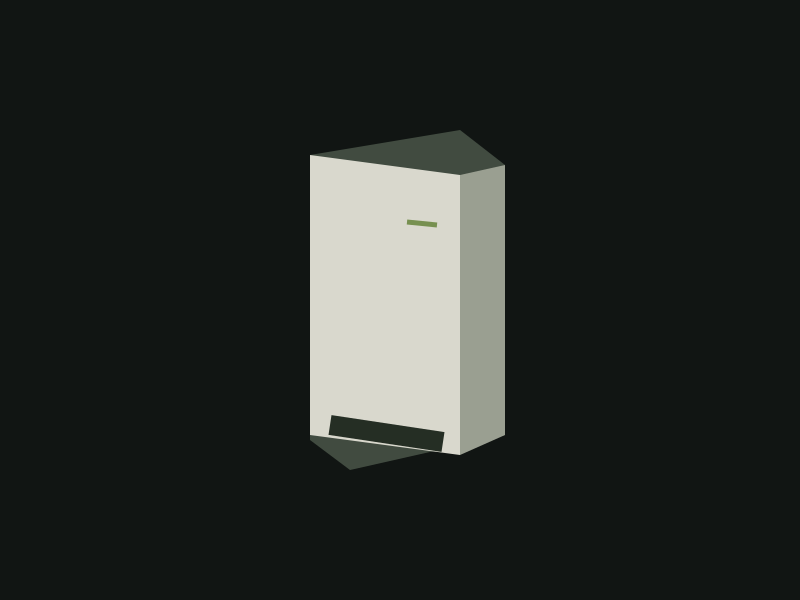
39.2 kWh of stored energy.
Inspect enclosure & illustrative interior ↗A whole-home backup battery, designed from the ground up to support the grid.
Illustrative model, not an official Base Power image.

Charging moves lithium ions one way; using the energy moves them back.
DOE: “Li+ ions are transferred from the cathode to the anode during charging and then back to the cathode during discharging.”
Base: “Core uses lithium iron phosphate (LFP) chemistry, one of the safest battery types available.”
Schematic: layers and ions not to scale. Sources: U.S. DOE, Lithium-ion Batteries Technology Strategy Assessment (2023); basepowercompany.com/core.
Illustrative: generic home-battery architecture, not Base Core’s internal layout.
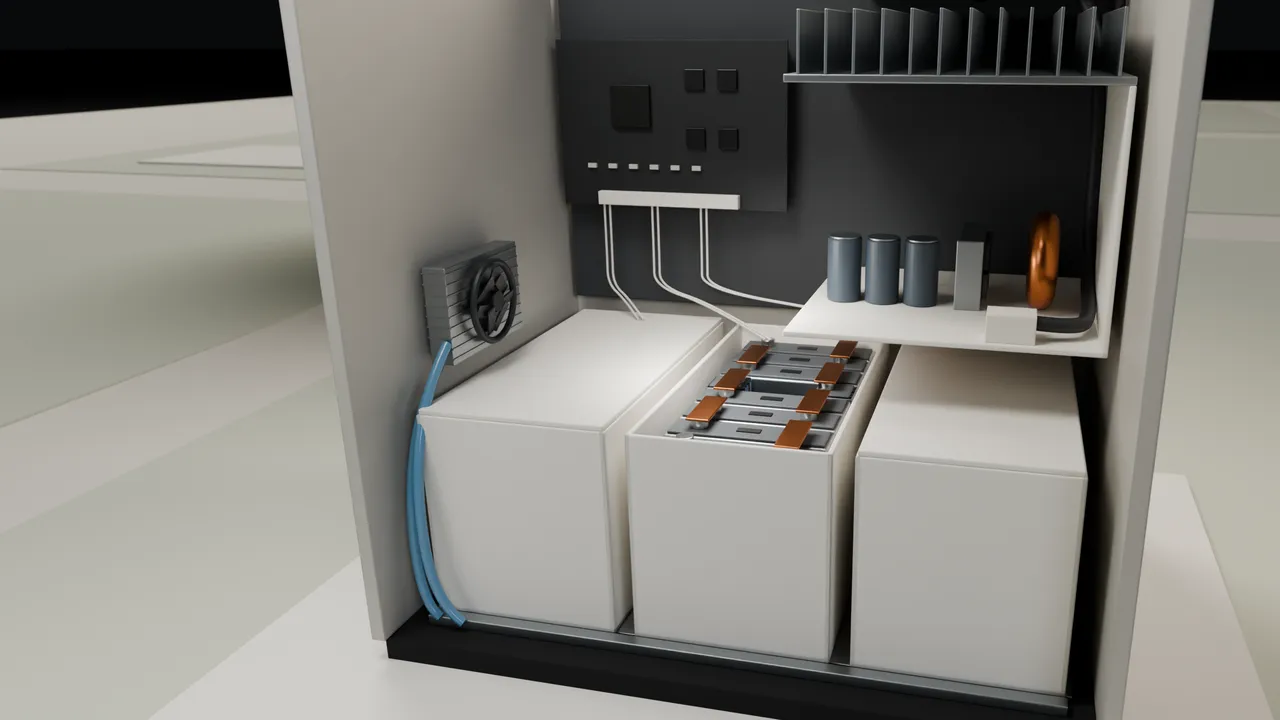
Cells are grouped into modules.
DOE: a module comprises “multiple cells in series.”
Base Core lists “39.2 kWh total energy.”
The number of modules shown is illustrative. Sources: U.S. DOE, Energy Storage Safety Strategic Plan (2024); basepowercompany.com/core.
Illustrative: generic home-battery architecture, not Base Core’s internal layout.
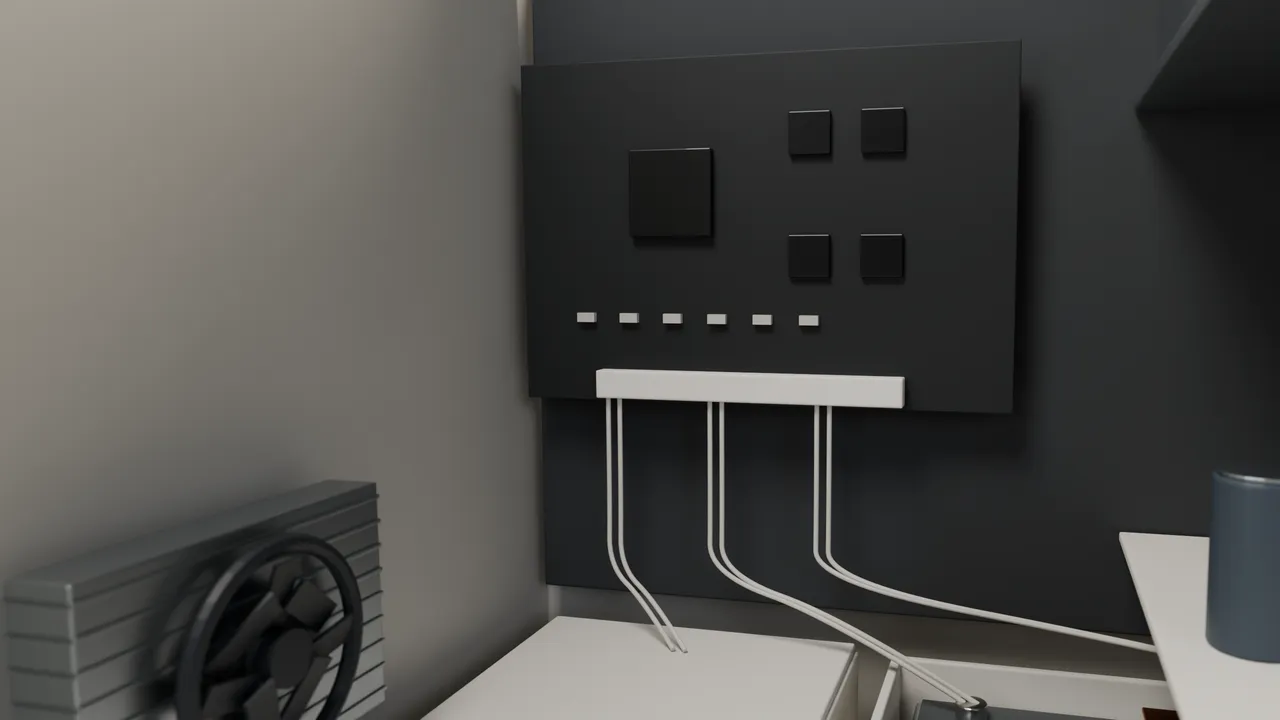
Electronics measure the cells and keep them in balance.
DOE: modules carry “BMS components for voltage sensing, temperature sensing, and cell balancing.”
DOE: the BMS “must limit charge currents to safe levels.”
Shown generically, not Base Core’s design. Source: U.S. DOE, Energy Storage Safety Strategic Plan (2024).
Illustrative: generic home-battery architecture, not Base Core’s internal layout.
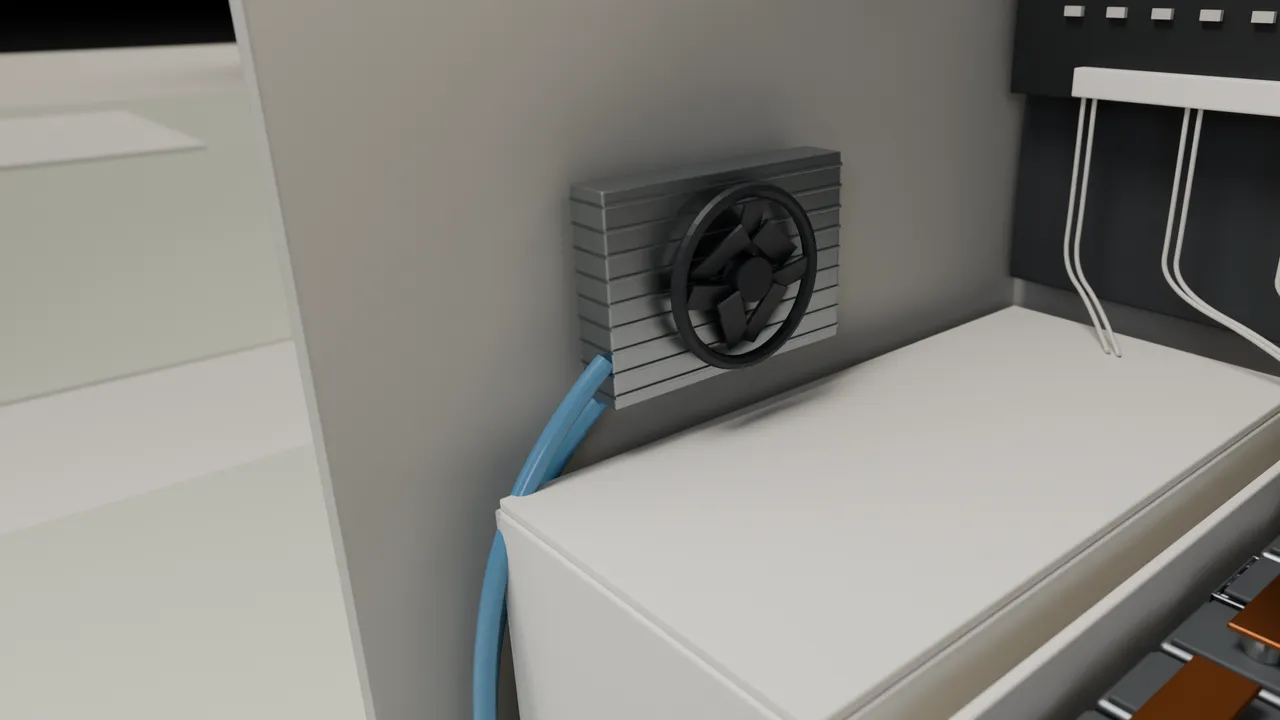
Thermal management keeps the cells in a safe temperature range.
DOE: the thermal management system “may include air or liquid circulation.”
Illustrative cooling layout: one generic example, not Base Core’s design; flow arrows are illustrative. Source: U.S. DOE, Energy Storage Safety Strategic Plan (2024).
Illustrative: generic home-battery architecture, not Base Core’s internal layout.
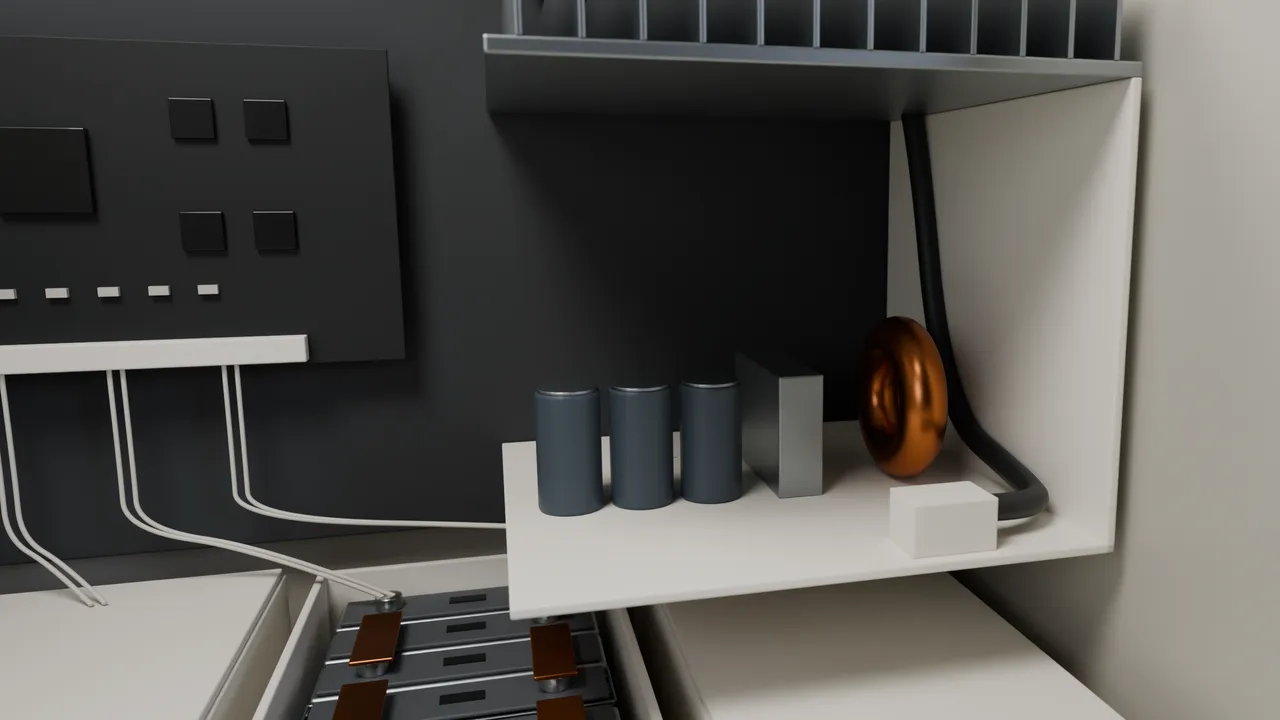
DC becomes the AC a home uses, and back again to charge.
DOE: an inverter “converts direct current (DC) electricity … to alternating current (AC) electricity.”
Shown generically, not Base Core’s design. Source: U.S. DOE Solar Energy Technologies Office, Inverters and Grid Services Basics.
Illustrative: generic home-battery architecture, not Base Core’s internal layout.
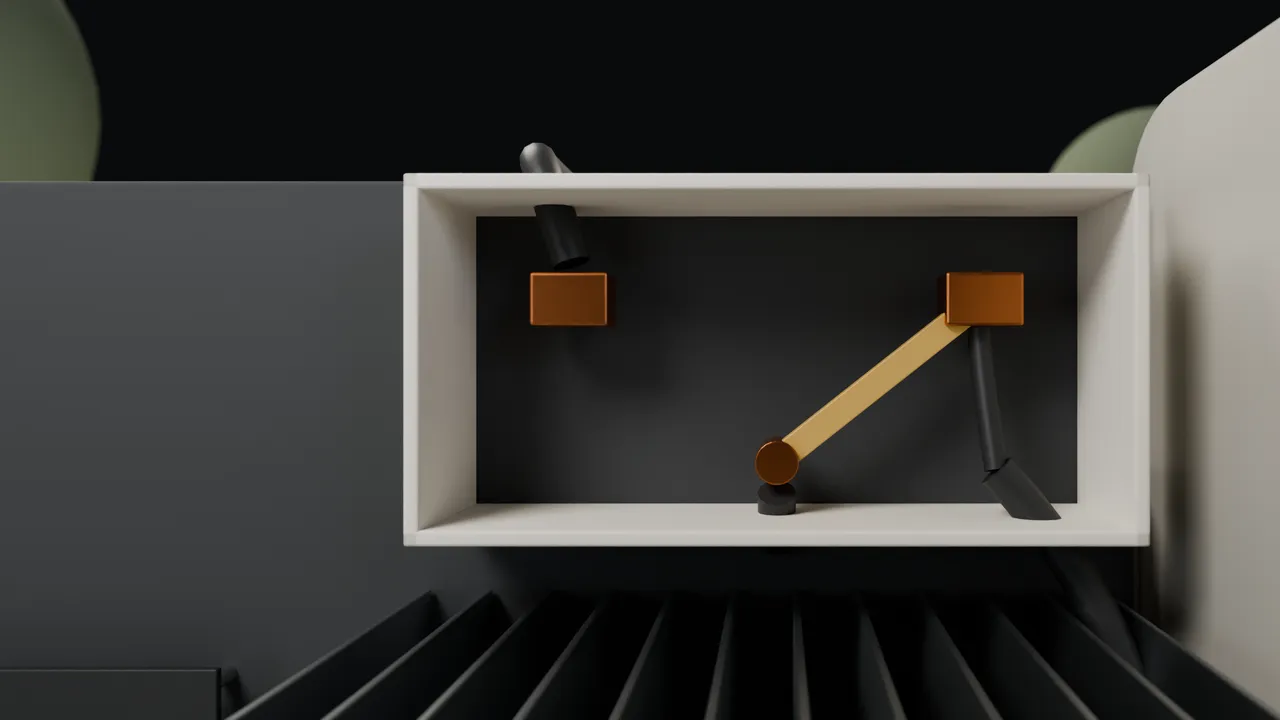
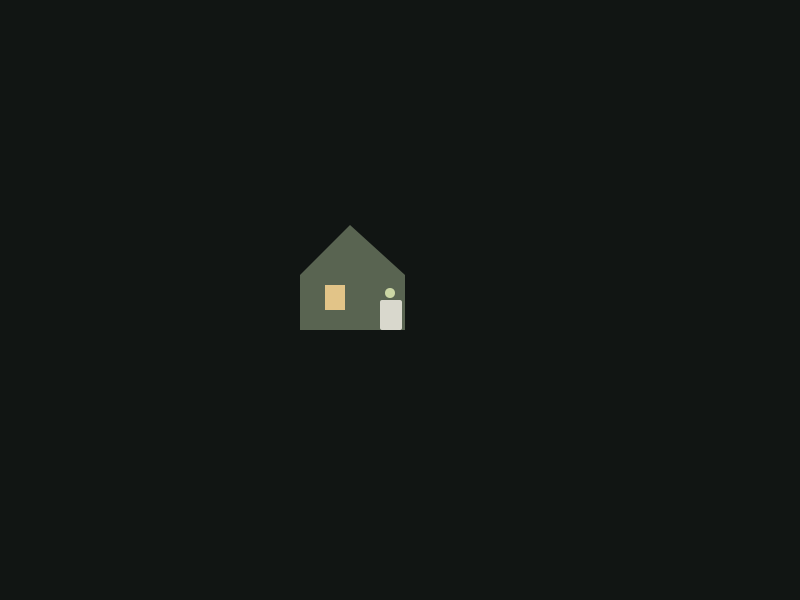
In an outage, the home switches to the battery.
Base’s published Core spec, Auto-switch: “Seamless (50 milliseconds).”
Base: the time it takes “to detect an outage and automatically switch your home to battery power.”
The switch drawing is generic: not Base’s hardware or its location. DOE/NREL: islanding uses hardware “including transfer switches.” Sources: basepowercompany.com/specs/core; U.S. DOE/NREL, Valuing the Resilience Provided by Solar and Battery Energy Storage Systems.
Illustrative: generic home-battery architecture, not Base Core’s internal layout.
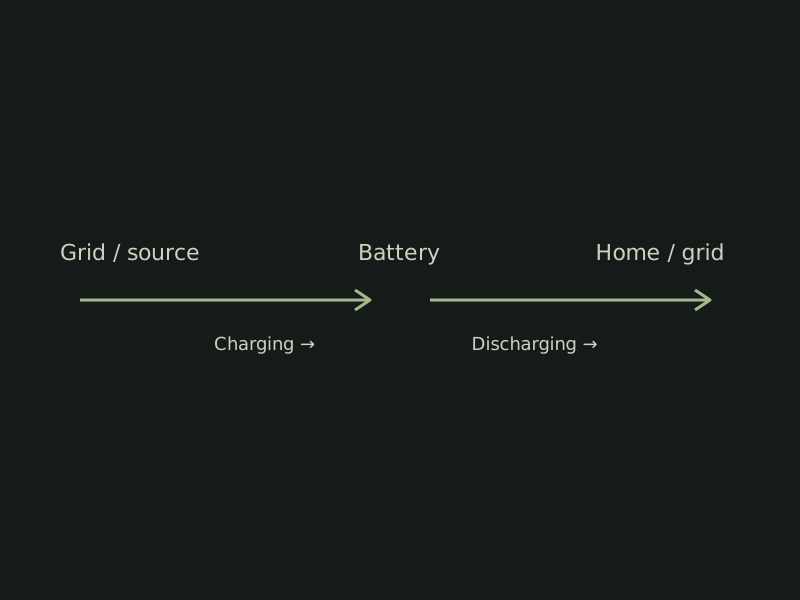
Stored energy, useful power.
“During demand spikes, your Base battery helps balance your community’s grid: lowering prices and improving reliability.”
Base Power, basepowercompany.com/core · Directions shown are illustrative, not wiring.
Illustrative energy direction, not physical wiring.
02 / HOME BACKUP
“When the grid goes down, your battery takes over instantly.”
Base Core lists its auto-switch as “Seamless (50 milliseconds)”: the time it takes “to detect an outage and automatically switch your home to battery power.”
Illustrative transition · Grid unavailable · Home on backup
Base Core specifications ↗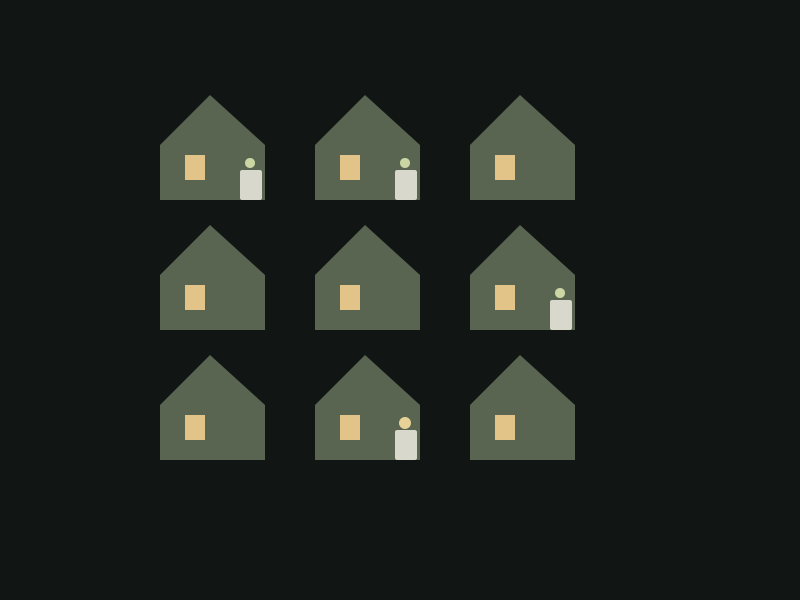
03 / NETWORK
One battery backs up one home.
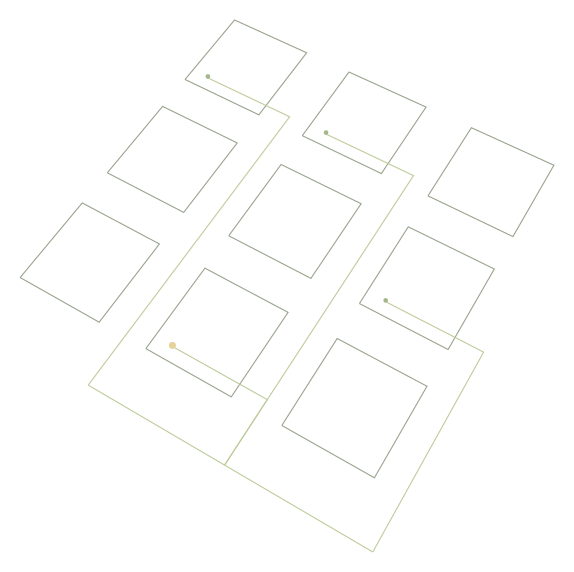
A network of batteries helps balance the grid.
“When the grid is functioning, Base uses its batteries to support grid balancing.”
04 / GRID SUPPORT
From home backup to grid support.
In Base’s words: “We design, build, install, and operate home batteries that back up your home, save your money, and support the grid.”
Illustrative network
Illustrative: generic home-battery architecture, not Base Core’s internal layout.
Illustrative network
Illustrative transition · Grid unavailable · Home on backup
Illustrative: homes without backup